

In a environment where market shelves brim with factory-farmed meats, the art of traditional butchery stands out as a beacon of quality, tradition, and eco-friendliness. Craft butchers are not only vendors of meat; they are craftspeople who respect the integrity of their products and the processes that bring them to our tables. The growing interest in maintaining local food systems and ethical farming practices has led many consumers to seek out these skilled butchers, who often have strong relationships with local farmers and a commitment to maintaining traditional butchering techniques.
Understanding what sets apart a craft butcher different from the supermarket giants is vital for anyone looking to enhance their culinary journeys. From distinct cuts of meat to the customization that comes with custom orders, craft butchers offer a wealth of knowledge and expertise that can enhance any meal. By opting to support craft butchers, you don’t just get access to better meat; you also play an essential role in nurturing community connections and sustainable practices that ring far past the butcher shop. In this manual, we'll explore the detailed world of craft butchery and reveal the tips to creating homemade charcuterie, ensuring your next gathering is not only delicious but also richly founded in value for excellence and skill.
Grasping Handcrafted Butchery
Handcrafted butchery is an traditional approach to meat processing that is distinct from large-scale supermarket practices. At its foundation, it focuses on quality, skill, and a deep understanding of the animal being butchered. Craft butchers take pride on obtaining high-quality meats directly from local farmers who focus on humane and sustainable farming methods. https://chsp.hispanichealth.info/members/flattennis45/activity/790835/ ensures fresher products but also strengthens regional economies and cultivates relationships within the community.
One of the defining characteristics of craft butchers is their commitment to traditional techniques and the resurgence of lost skills. Unlike supermarket chains that typically rely on automated processes, craft butchers engage in complete butchery, making utilizing every part of the animal. This approach not only reduces waste but also enables unique cuts of meat that may be unavailable at larger stores. The artistry involved in their work is evident, resulting in products that boast superior flavor and texture.
Furthermore, craft butchers typically focus on heritage breeds and organic practices, providing customers with a range of options like grass-fed and free-range meats. This dedication to quality means that consumers can look forward to a higher nutritional value and better taste. As more people realize the importance of knowing where their food comes from, craft butchers serve as a trusted resource, teaching customers about their products and encouraging a more eco-friendly and moral food culture.
The Benefits of Choosing Local
Choosing for a regional craft butcher not just improves the grade of your meat and also fosters a robust local bond. When you purchase locally, you sustain the livelihoods of local producers and guarantee that your money spent on food remain in the local economy. This direct link contributes to boosting the local market and encourages sustainable growing practices, as specialty butchers prioritize sourcing from regional farms that commit to responsible and humane handling of livestock.
Moreover, local specialty butchers deliver a degree of customized service that is frequently absent in major supermarket chains. They take the time to learn about your tastes and can suggest tailored cuts suited for your individual cooking needs. This knowledge means you can get guidance on what types work most effectively for specific meals and culinary styles, enhancing your general cooking experience. The relational aspect of buying at a artisan butcher shop creates a better and informative environment where customers feel important.
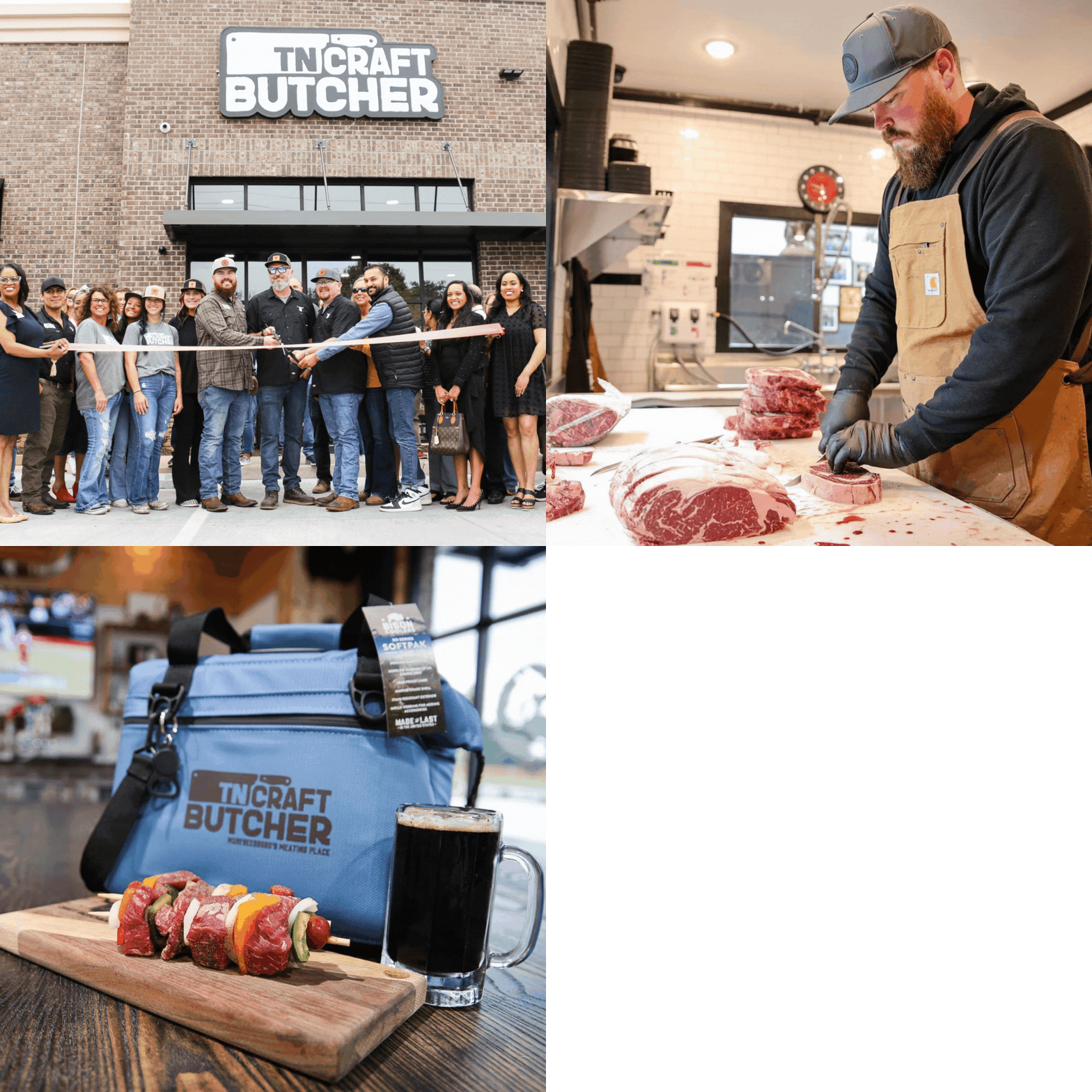
Finally, selecting local means you have access to higher quality items. Specialty butchers tend to focus on excellence over quantity, obtaining meat that is recent and frequently seasonal. Look at this website to standards merely improves the quality of your dishes while also supports overall food integrity. By knowing the process that your cuts goes through from farm to table, you can have greater confidence in its standards and safety, making every meal a celebration of local craftsmanship.
The Art and Science of Meat Cutting
The artistry in butchery is as much about technique as it is about understanding the animal and its anatomy. Craft butchers possess a profound knowledge of the various cuts of meat and where each one originates within the animal. This knowledge allows them to maximize the value of each cut, ensuring that consumers receive the best flavor and quality. Techniques such as disassembling the animal with accuracy not only demonstrate a butcher's expertise but also respect the animal and reduce waste, reflecting a commitment to sustainability.
Biology plays a crucial role in the processes involved in butchery, from aging meat to ensuring food safety. Craft butchers use methods like dry aging to develop rich flavors and enhance tenderness, utilizing specific conditions to achieve the desired results. Understanding the biochemical processes at play allows them to create products that are not only more tasty but also safe for consumption. This combination of art and science ensures that every piece of meat is treated with care, leading to superior results.
Moreover, the craft butcher's ability to procure high-quality, ethically raised meat adds another layer to the artistry. By partnering with local farmers who practice sustainable methods, craft butchers can provide meats that are not only tasty but also support the community and environment. This relationship to local agriculture fosters a sense of confidence and transparency, allowing consumers to know exactly where their food comes from and how it was raised. In essence, the art and science of butchery come together to create a gastronomic journey that honors both the craft and the origins of the meat.