

Creating a serene outdoor space can convert your home into a oasis, providing a ideal escape from the hustle and bustle of daily life. With the right landscape design, you can create an atmosphere that fosters relaxation, encourages outdoor living, and raises the overall aesthetic of your property. Whether you have a expansive backyard or a small front yard, there are multiple strategies and ideas that can transform your outdoor space into a peaceful retreat.
In this article, we will investigate a range of landscape design ideas that meet different needs and styles. From incorporating hardscaping elements to selecting the most suitable plants, we will guide you through the most effective ways to transform your outdoor area. Whether you are a skilled gardener or a beginner looking to make a small yet significant impact, we aim to inspire you with original solutions for designing landscapes that resonate with your concept of tranquility.
Top Landscape Design Ideas
Crafting a beautiful backyard starts with incorporating elements that blend beauty and functionality. One of the top landscape styling ideas is to define distinct areas within your outdoor space. By using flora, hardscaping, and outdoor structures, you can create spaces for relaxation, dining, and entertainment, ensuring each part of your yard has a function while enhancing its total aesthetic. For illustration, a comfortable sitting area encircled with bright blooms can provide a calm escape.
An additional engaging suggestion is to add water features into your landscape. Waterfalls, or even a tiny waterfall can introduce soothing sounds and a sense of tranquility, transforming your backyard into a relaxing oasis. These features not only improve the visual appeal of your space but also attract helpful animals, such as birds and butterflies, adding life and movement to your garden.
In conclusion, consider utilizing local species in your landscape. These species are well-adapted to the local environment and soil conditions, requiring less maintenance and water. By selecting native species, you can develop a stunning and eco-friendly landscape that thrives naturally. Additionally, the implementation of native species supports local ecosystems, making your design not only stunning but also environmentally friendly.
Essential Landscape Design Advice
As you begin landscaping, it's essential to begin with a detailed strategy. Assess your land, observing current elements, sunlight patterns, and soil drainage. This analysis will inform your planning and help you figure out how to improve your yard effectively. Furthermore, consider your needs: do you want a zone for hosting, gardening, or recreation? Identifying your requirements will help in selecting the right elements for your design.
Adding the right kinds of vegetation can boost the visual appeal and functionality of your garden. Explore vegetation that grow well in your particular environment and soil type. Local species are commonly a superb choice as they are tailored to the surrounding ecosystem and require minimal maintenance. Moreover, think about plant placement for aesthetic appeal—layering plants by height and hue can create a vibrant and welcoming atmosphere. Don’t forget that seasonal changes can add to the beauty of your yard, so incorporating a combination of evergreen plants and seasonal blooms will provide all-year interest.
Another important factor is integrating hardscape elements, such as decks, pathways, and retaining walls, into your yard. These components not only create form but also boost functionality. As you are choosing hardscape materials, aim for a look that fits with your house style and the overall outdoor aesthetic. Furthermore, think about incorporating outdoor lights to highlight your landscape at night and create a inviting atmosphere. Careful lighting design can enhance your time spent outside, making your environment feel welcoming and peaceful.
Innovations in Landscape Design
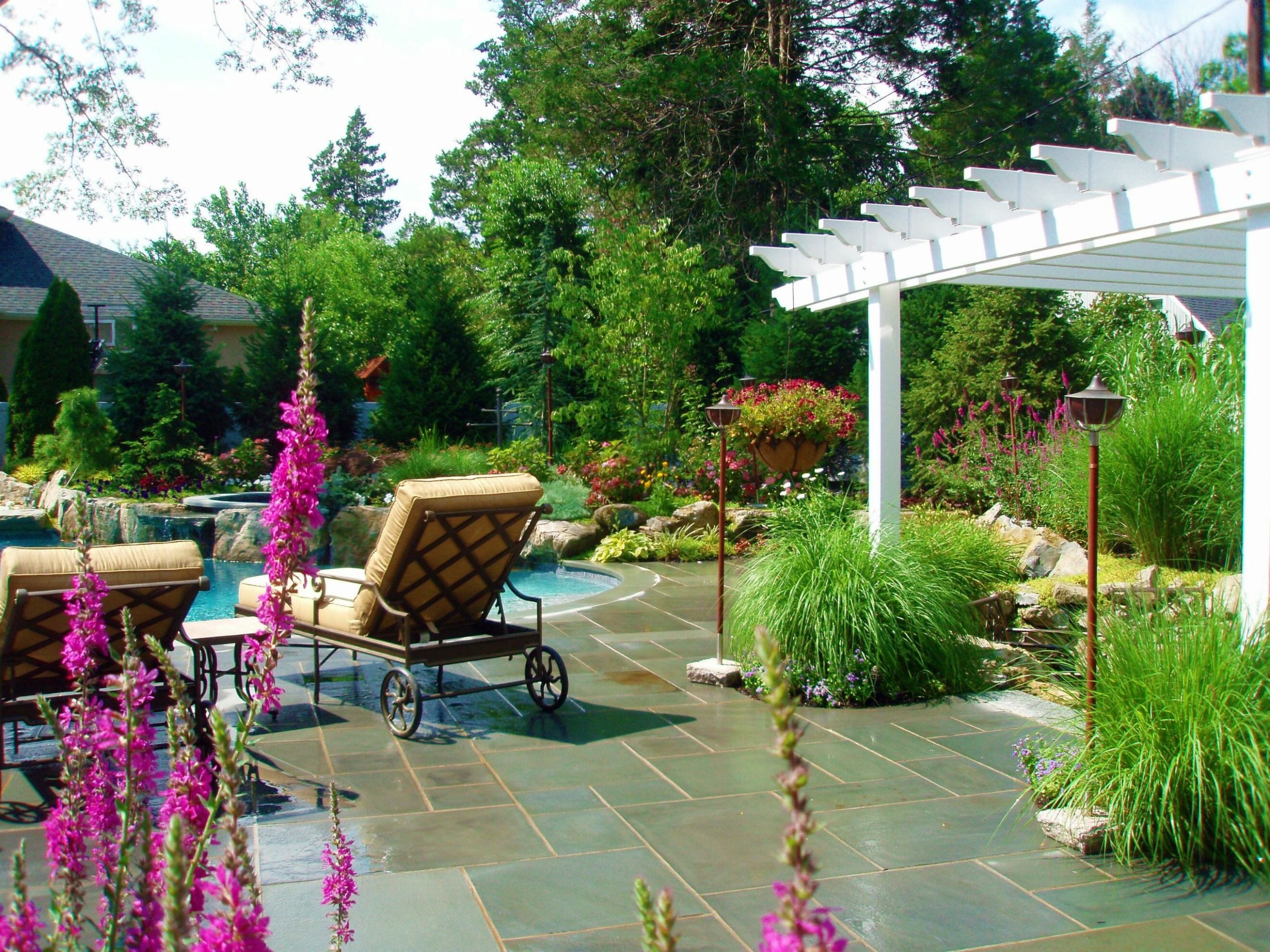
Landscaping trends are constantly evolving, reflecting a increasing focus of green practices and environmental effects. One remarkable trend is the growing use of native plants in landscape design. These plants are tailored to the local climate and habitat, requiring less irrigation and care while providing vital habitats for animals. Integrating native plants is more than beneficial for the environment but also boosts the landscape's organic beauty.
Another significant trend is the emergence of edible landscapes, which highlight the integration of ornamental and productive plants. Homeowners are more and more looking to establish gardens that not only improve their outdoor spaces but also provide fresh fruits, vegetables, and herbs. Edible landscapes allow for imaginative designs that support sustainability and healthy living, transforming outdoor areas into productive spaces that feed families while elevating aesthetic value.
Lastly, technology remains to play a vital role in redefining landscape design. From advanced landscape design apps and tools that help homeowners picture their plans to the incorporation of intelligent irrigation systems that improve water efficiency, technology is making landscaping increasingly accessible and effective. The use of illumination solutions that improve outdoor aesthetics after dark also contributes to creating appealing and versatile outdoor environments that can be utilized throughout the year.