

Do you find yourself seeking to make the most of your outdoor space without the hassle of bugs, debris, and variable climatic conditions? A screen enclosure might just be the ideal solution for you. These installations provide a comfortable way to take advantage of your patio, pool, or deck while also guarding unwanted pests at bay. In this ultimate guide, we will discuss everything you need to know about maintaining your screen enclosure to make sure it remains a beautiful and practical part of your home.
From grasping the concept of a screen enclosure is and how it works to tips on cleaning and repairing it, we will cover all the essentials. Discover the numerous benefits of installing a screen enclosure, including how it can enhance your property value and provide all-season outdoor living. Whether you're considering a DIY project or hiring professionals, this guide provides insights into design ideas, materials, and even the latest trends. Join us as we delve in and maximize your outdoor space with a well-maintained screen enclosure.
Advantages of Screen Enclosures
Screen enclosures offer a range of perks that enhance external living spaces. First and foremost, they create a secure barrier against pests like bugs and rubbish, allowing you to savor your patio or pool without the annoyance of bugs. This turns outdoor gatherings more enriching and encourages more frequent use of these spaces throughout the year.
In addition to this to pest control, screen enclosures provide a layer of protection for homeowners, particularly when it comes to pools. They hold back leaves, twigs, and various debris out of the water, lessening maintenance efforts while also ensuring a clearer swimming environment. This security is especially helpful during seasonal changes when debris falls more frequently.
Another important benefit of screen enclosures is the boost of home value. Potential buyers commonly look for properties with appealing outdoor spaces, and a screen enclosure brings an attractive feature that can differentiate your home apart from the competition. This addition not only improves the functionality of your outdoor area but can also result in a solid return when it comes time to offer.
Selecting the Right Screen Enclosure
While choosing a screen enclosure, take into account the primary purpose it will play in your outdoor space. Are you wanting to create a cozy area for relaxation, protection for a swimming pool, or perhaps a space for entertaining guests? Grasping the primary function will assist you in selecting the best design and features. Think about factors such as dimensions, form, and entrance options, as these elements will affect how well the enclosure integrates with your existing landscape and home architecture.
Then, assess the kinds of materials offered for screen enclosures. Aluminum is a common option due to its strength and resistance to rust, making it ideal for outdoor use. On the other hand, vinyl and wood options can also be taken into account based on your visual preferences and maintenance requirements. Each material has its pros and disadvantages, so it’s important to balance these according to your way of life, climate, and how often you plan to service the enclosure.
Finally, don’t forget about local building codes and permits, which may differ by area and can influence your choice. Before making any decisions, check with local regulations to confirm that your intentions for a screen enclosure conform with zoning laws and safety standards. This measure will not only help avoid potential fines but also ensure that your installation is stable and reliable, providing you with the peace of mind that you are making a thoughtful investment in your property.
Care and Maintenance
Routine maintenance is important to secure the lifespan and functionality of your screen enclosure. Begin by checking the frame for any signs of wear or damage, such as deterioration or decomposition if it's made from metal. Wooden frames should be examined for decay or bug problems. It's a wise practice to sanitize the frame and screens from time to time to stop accumulation of grime and debris, which can influence clarity and ventilation. Make sure to use soft cleaners and steer clear of harsh chemicals that could damage the substances.
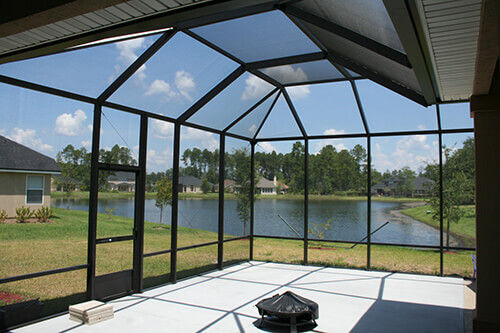
Screen repairs are a common part of upkeep. Eventually, screens can break or become loose, which reduces their functionality. If you observe any damage, it's important to address it swiftly. Replacing screens can be completed by yourself or with the help of a professional. Ensure that Pool Cages near me choose the suitable type of screen material that suits your needs, whether it's traditional mesh for insect protection or a more robust option for increased durability.
Furthermore, consider periodic maintenance tasks. Before the winter months, inspect your enclosure for any required repairs and clean out any debris that might have built up. In areas prone to extreme weather, reinforcing your screen enclosure may prevent damage. Routine checks and timely maintenance can help you utilize your screen enclosure throughout the year without costly repairs or replacements later on.