

In the modern fast-paced environment, emotional control has become a essential skill for navigating the intricacies of life. Whether it's handling stress at work, staying calm during tough conversations, or resolving conflicts with grace, the ability to control our emotions can greatly impact our connections, decision-making, and overall mental health. Understanding the science behind emotional regulation lays the basis for developing strategies that lead to enhanced emotional resilience and stability.
As we investigate the techniques for better emotional control, we will discover effective exercises, mindfulness practices, and the role of self-awareness. By identifying emotional triggers and learning how to deal with them, we can improve our capacity to stay calm even in the midst of adversity. Accompany us on this journey to tame the personal storm and discover how emotional regulation is not only a private asset but also a superpower that can pave the way for victory in various aspects of life.
Grasping Sentimental Management
Sentimental management denotes the ability to manage and address emotional responses in a adaptive as well as beneficial way. It includes identifying one’s affects, grasping their impact on thoughts and actions, and applying approaches to address correctly. This ability is essential for maintaining mental health and reaching life targets, as it shapes decision-making, interpersonal connections, and overall well-being. The process of affective management can differ from individual to individual, according to personal backgrounds, ways of coping, and social contexts.
The science behind affective management highlights its significance in daily living. Research demonstrates that individuals with strong sentimental management tend to demonstrate enhanced mental health conditions, reduced stress levels, and improved connections. They are also more adept at managing difficult situations without turning to destructive behaviors. Comprehending the neurological functions that drive sentimental reactions can enable individuals cultivate more effective methods for handling their affects, thus improving their affective awareness.
A crucial component of emotional regulation is self-knowledge. By becoming more attuned to our affective triggers and reactions, we strengthen ourselves to handle our responses before they worsen. This self-awareness encourages the capability to pause and consider our feelings, allowing for intentional rather than reactive actions. Such abilities not only encourage personal advancement but also matter greatly in reaching success in various areas of life, from personal bonds to professional environments.
Techniques for Improving Emotional Regulation
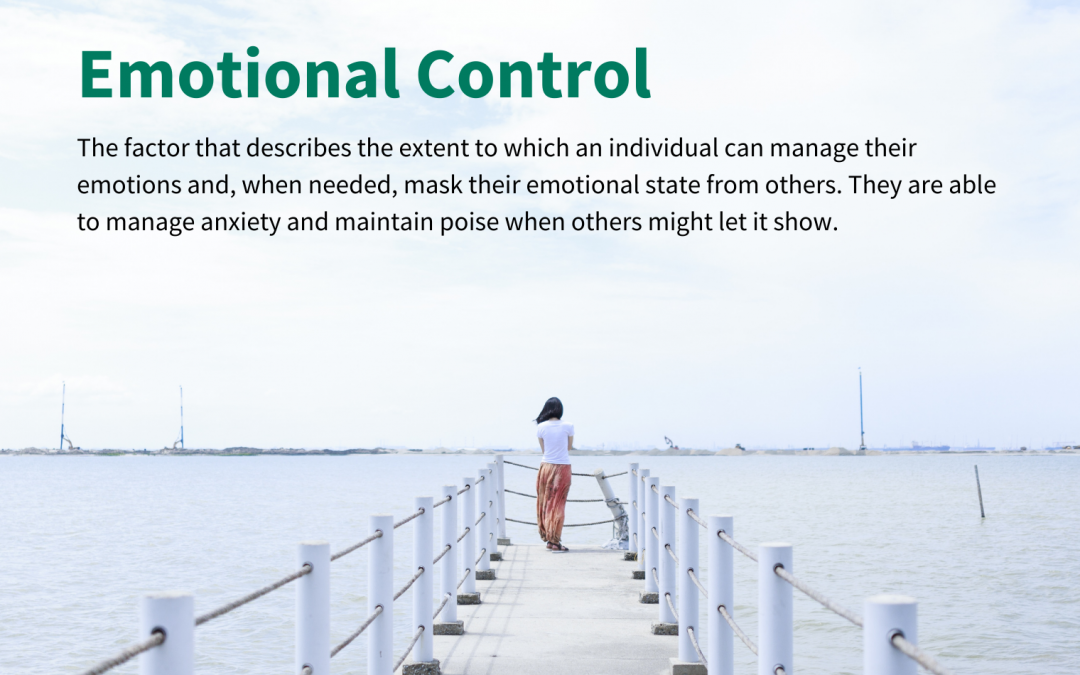
Developing emotional regulation starts with self-awareness. By identifying your emotional stimuli, you can more effectively control your responses. Maintain a journal to record your states and experiences, as it aids in spotting patterns over time. Understanding what situations cause emotional distress enables you to anticipate and develop coping strategies, allowing you to respond more mindfully rather than hastily.
Mindfulness practices are essential for emotional control. Techniques such as mindful meditation, deep breathing, and stabilizing exercises can help you remain composed under pressure. Dedicate practical stoicism for modern life to a regular routine of mindfulness to nurture a state of awareness and reduce stress. When faced with powerful feelings, taking a few moments to take deep breaths can anchor you in the now, giving you the insight needed to respond suitably.
Developing resilience is essential for long-term emotional regulation. Engage in activities that support mental strength, such as consistent physical activity, a nutritious diet, and proper rest. These lifestyle choices have a profound impact on your mental well-being. In addition, building supportive relationships can furnish support and insight when navigating challenging emotions, ultimately boosting your capacity to navigate stress efficiently.
The Impact of Emotional Management on Living
Emotional control plays a crucial function in determining how we handle our routine lives. When people are equipped to manage their feelings successfully, they are well prepared to handle difficulties and failures with resilience. This ability not only fosters self improvement but also improves general health. By maintaining affective stability, people can confront life's positives and downs with a collected perspective, ultimately leading in a significantly enriching life.
Furthermore, psychological regulation greatly affects connections. Those who can manage their feelings often to express themselves with greater efficacy, listen actively, and react to one another with understanding. This creates a caring environment for constructive relations, reducing disputes and disagreements. As a result, strong affective regulation can contribute to deeper bonds with friends, peers, and colleagues, enhancing support systems that are crucial for emotional stability.
In a professional context, emotional regulation is commonly connected to success and management. People who show poise under pressure are generally seen as more competent and trustworthy. This skill is crucial when making decisions, notably in critical circumstances. Companies highly value individuals who can remain composed and focused, establishing affective control an essential attribute for job advancement and team dynamics. Ultimately, enhancing affective management enriches multiple facets of living, paving the way for better mental, bodily, and relational well-being.