

In today’s fast-paced environment, the ability to manage our emotions is essential for individual and career success. Many people find themselves responding to situations impulsively, frequently leading to regret and compounded stress. Transitioning from a reactive to a proactive approach in emotional regulation not only improves personal well-being but also fosters healthier relationships and improved decision-making. The quest for emotional resilience is more than an integral part of individual growth; it is increasingly recognized as a crucial skill in navigating the challenges of modern life.
Grasping the science behind emotional regulation and learning practical strategies can empower people to gain control of their emotional responses. From awareness practices that enhance emotional awareness to techniques that promote peace in stressful situations, there are countless methods to enhance emotional control. This article explores ten proven ways to cultivate this essential skill, helping you build not only emotional strength but also a more fulfilling existence. Whether it's controlling anger, staying composed during conflict, or recognizing emotional triggers, the journey to greater emotional resilience is both fulfilling and life-changing.
Established Methods for Emotional Control
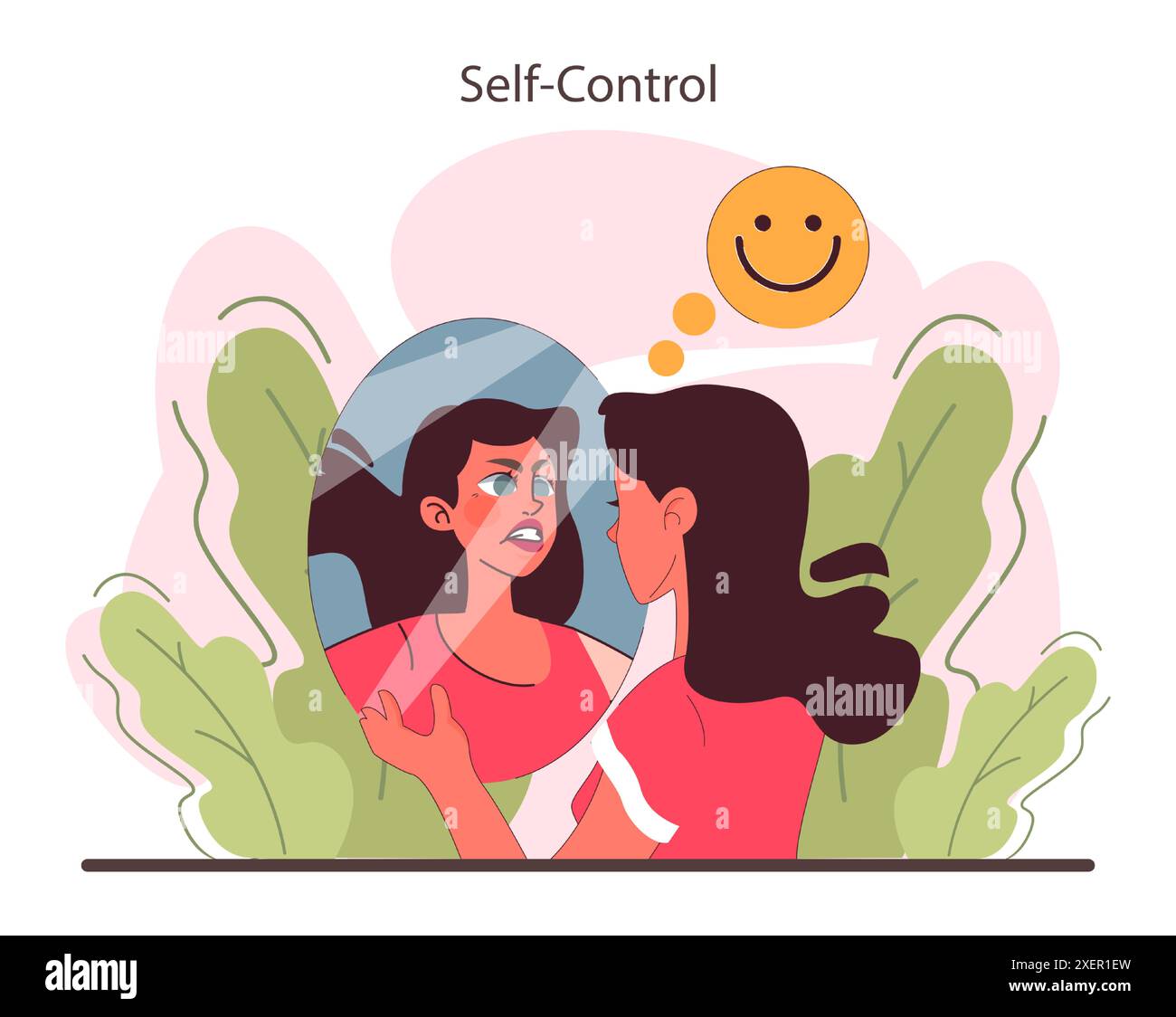
Emotional control is essential for navigating the intricacies of daily life. One successful approach for achieving this is through mindfulness techniques, which motivate individuals to focus on the here and now and develop enhanced awareness of their emotions. Techniques such as meditation and breathing exercises can help quiet the mind and center thoughts, allowing for a calmer response to emotional triggers. Building a routine that includes mindfulness exercises can significantly improve the ability to cope emotionally and improve overall mental clarity.
A further powerful approach is to enhance self-awareness. Recognizing your emotional triggers—situations, words, or behaviors that provoke strong reactions—can enable you to respond rather than react impulsively. Maintaining a journal to document these triggers and your responses can be beneficial in identifying patterns. This practice also facilitates reflection on how to manage similar situations differently in the time to come, promoting emotional regulation in difficult situations.
Finally, developing adaptive coping strategies is crucial for maintaining emotional control. Methods such as the application of breathing techniques can provide immediate calm in stressful moments. For instance, the 4-7-8 method—inhaling for four counts, holding for seven, and breathing out for eight—can help balance your emotions efficiently. By integrating these strategies into daily life, you can develop a robust toolkit for managing emotions effectively, leading to more constructive interactions and enhanced decision-making.
Grasping the Field of Emotional Regulation
Emotional control is the ability to successfully handle and react to affective experiences. At https://output.jsbin.com/fozowizuta/ , the study behind this mechanism involves grasping how our mind and body connect when we encounter affective triggers. The emotion center plays a crucial role, acting as the affective center that activates responses to suspected threats. When we experience stressful situations, it can lead to increased affective reactions, but effective regulation involves engaging other parts of the mind, such as the prefrontal cortex, which helps us assess situations and respond thoughtfully rather than reactively.
Studies has revealed that our affective responses are not solely dictated by the events we confront but also by our interpretation of those occurrences. Cognitive appraisal—the way we evaluate and make sense of our events—profoundly affects our affective responses. By training to reframe stoic mindset training , we can shift our emotional responses, allowing for greater emotional stability. Understanding this cognitive dimension of affective regulation enables individuals to deliberately change their views and responses, encouraging strength in difficult situations.
Moreover, the physiological aspects of affective regulation cannot be ignored. Stress and anxiety can trigger the secretion of cortisol and other stress hormones that affect both psychological and bodily health. Techniques such as awareness and meditation have been demonstrated to activate the parasympathetic nervous system, helping to reduce stress and encourage a condition of calm. By engaging in these techniques, individuals can enhance their affective stability, leading to better overall health and greater affective regulation in various situations, from difficult discussions to high-pressure environments.
Building Fortitude Through Mindful Practices & Personal Insight
Being present & self-awareness are powerful strategies for enhancing affective stability & developing resilience. Practicing https://click4r.com/posts/g/21777409/emotional-regulation-converting-reactions-into-thoughtful-replies consists of remaining in the moment & fully engaging involving the current moment, which might help individuals recognize their emotional responses before they escalate. This consciousness creates a pause in response against emotional triggers, offering the possibility to choose a more thoughtful reaction rather than a reactive one. By incorporating mindfulness practices, individuals can gain a deeper understanding of their thoughts and feelings, encouraging a better emotional response in different situations.
Self-awareness complements mindfulness by enabling individuals to identify their emotional triggers and patterns. Understanding what causes specific emotional responses helps people to prepare for potential challenges, ultimately leading to more composed reactions. Developing self-awareness can involve thoughtful methods such as self-reflection exercises, which facilitates clarify thoughts and feelings, while also providing insights into behavior patterns. When individuals learn to identify their emotional states precisely, they are better prepared to manage them successfully, promoting emotional stability and resilience.
Furthermore, the interaction between mindfulness, self-awareness, and emotional control can significantly affect mental health and overall well-being. By regularly engaging in mindfulness techniques, such as meditative practices and deep breathing techniques, individuals can enhance their emotional regulation skills, reducing instances of stress and anxiety. This proactive approach not just foster a sense of calm while also contributes to improved decision-making and more positive interpersonal relationships. As people cultivate these skills, they grow more resilient in confronting life's challenges, leading to greater success in personal as well as professional domains.