

As we move further into the digital age, charging technology continues to evolve, and one standard is emerging as the clear front runner: USB Type-C. Originally introduced in 2014, USB-C has quickly gained traction across a wide range of devices, making it the preferred choice for smartphones, laptops, tablets, and other devices. With its ability to support faster data transfer and higher power delivery, USB-C represents more than just a trend; it signifies a major move towards a more efficient and unified charging solution.
In this piece, we will examine the reasons USB-C is setting itself up as the future of charging. From recognizing its advantages over older standards such as USB-A to reviewing the top chargers available in 2025, we’ll provide all the information necessary to make your charging needs future-ready. We’ll investigate themes like fast charging technologies, travel practicality, and safety features, providing you with insights and recommendations to make informed decisions. Whether you are a tech aficionado or just seeking to simplify your charging arrangement, this guide aims to equip you with the information to fully embrace USB-C chargers today and beyond.
Perks of USB-C Charging
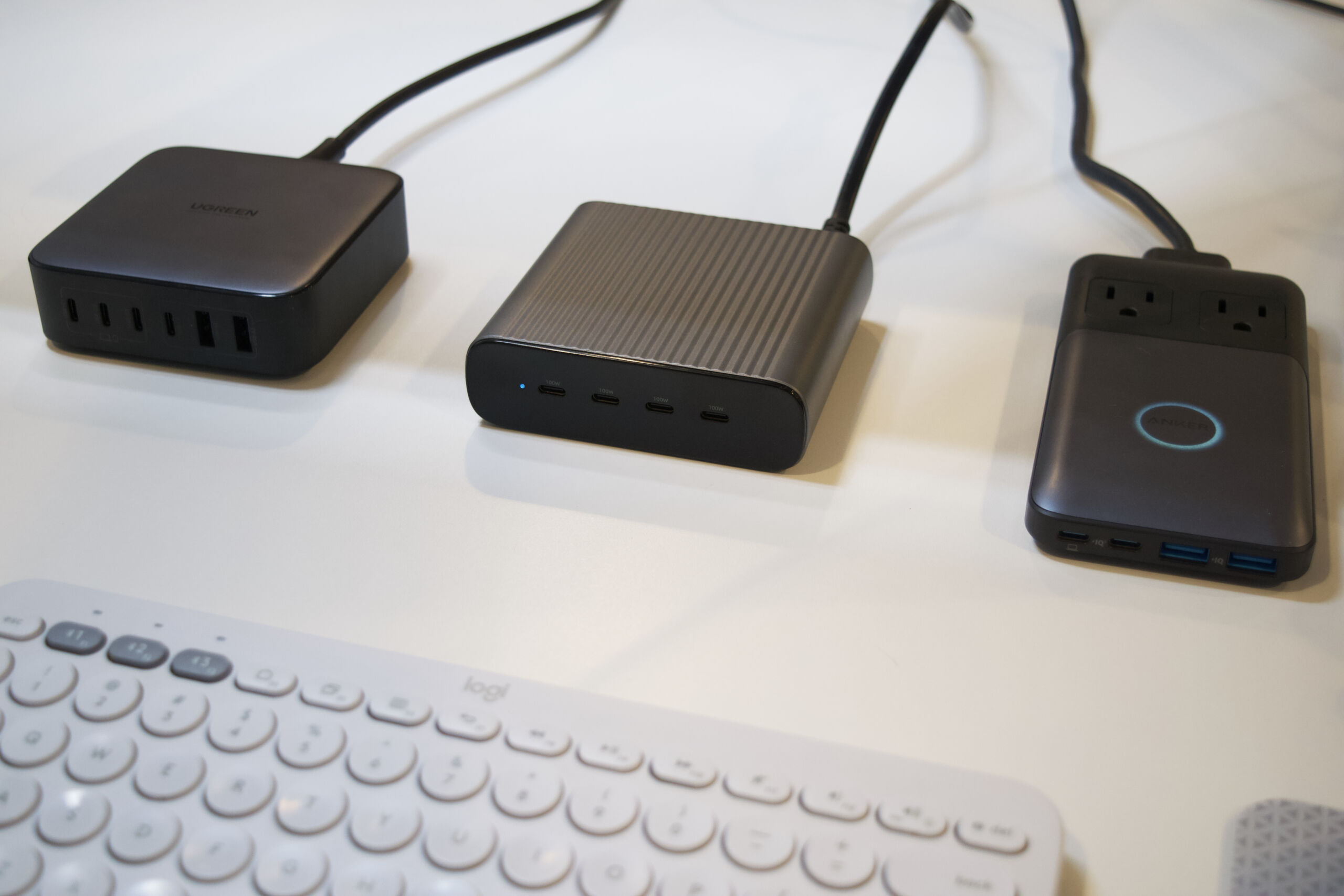
The USB-C charging standard offers numerous advantages that make it the top option for customers in the modern age. One of the primary benefits is its flexibility; USB-C connectors can energize a broad selection of devices including smartphones, slates, portable computers, and a host of gadgets. This universality simplifies the charging experience by allowing users to use a one cable type across diverse gadgets, reducing disorganization and the need for multiple chargers.
Additionally, USB-C is designed to support rapid charging thanks to its Power Delivery (PD) technology. This function allows for increased wattage, allowing devices to charge significantly quicker compared to earlier USB protocols. Users can spend minimal time tethered to a wall socket and greater time using their devices, boosting overall productivity and convenience in routine tasks.
In addition to speed and versatility, USB-C chargers are engineered with cutting-edge safety technologies. Many USB-C chargers include inherent protections to stop excess charging, overheating, and electrical shorts. This emphasis on safety not only safeguards electronics from damage but also provides users with peace of mind knowing that they are using a trustworthy and safe charging solution.
Choosing the Appropriate USB-C Charger
When choosing a USB-C charger, you must to take into account the energy output that suits your device. Distinct devices demand different wattage for best charging. For smartphones, a charger with 18-30 watts is typically adequate, while laptops may need between 30 watts up to 100 watts or more. Make sure to verify the specifications of your device to prevent inadequate energy or damaging it.
Another important factor is the quantity of ports present the charger. If you often charge various devices simultaneously, a multi outlet USB-C charger can be a great investment. Search for devices that are compatible with Power Delivery, as such technology provides optimal power management across several ports, making sure every device receives the appropriate charging speed without sacrificing performance.
In conclusion, consider the build quality and safety features of the charger. Select chargers that have built-in protections against excess charging, heat damage, and short-circuiting. This not just ensures the longevity of your devices but further enhances your overall charging experience. By choosing https://walker-sivertsen.technetbloggers.de/an-complete-guide-to-usb-type-c-chargers-powering-your-electronics-in-style with these features, you can experience peace of mind while maintaining your devices powered up.
Future Trends in USB-C Technology
As USB-C continues to gain traction, we are likely to see an upsurge in adoption across a broader spectrum of devices. Companies are progressively embedding USB-C ports within notebooks, tablets, and even home appliances, marking a shift toward universal compatibility. This trend will enhance connectivity and lessen the amount of cables consumers need to transport, leading to a more user-friendly & optimized user experience.
Additionally, noteworthy innovation is the rise of more powerful and compact charging solutions, driven by advancements in GaN technology. GaN chargers are more compact and more efficient than old-fashioned silicon-based chargers, providing faster charging capabilities without having to compromise on size. As these chargers become ubiquitous, users can expect to see quicker charge times while maintaining portability, which is especially helpful for those on the go.
Sustainability is also becoming a major priority in the evolution of USB-C technology. While the world is placing more emphasis on eco-friendly practices, USB-C chargers are being developed with recyclable materials and energy-saving features. This aligns with growing public demand for sustainable tech solutions, guaranteeing that USB-C not only meets the needs of today but also has a positive impact on the environment for future generations.