

Crafting a stunning landscape can transform not just your backyard, but also your complete home. It’s about creating a synergistic balance between nature and design, turning outdoor spaces into extensions of our living areas. If you seek to create a tranquil retreat, a vibrant garden, or a festive outdoor entertaining space, perfecting landscape design is crucial to achieving your vision.
In this write-up, we examine multiple facets of landscape design that cater to different preferences and demands. From innovative ideas that can make a small yard feel larger to tips for integrating eco-friendly methods, this manual will help you guide the dynamic journey from idea to realization. We will discuss styles ranging from modern to classic, discuss the importance of landscape structures, and give insights on how to pick the right plants for your unique landscape. Whether you are a beginner or an experienced gardener, the rich world of landscape design holds limitless possibilities for enhancing your outdoor area into a captivating haven.
Crucial Garden Design Concepts
Designing a stunning outdoor space starts with discovering the design that speaks to you and complements your home. Contemporary and traditional landscaping both provide distinct visuals, so understanding the characteristics of each can assist you create an educated decision. If you are among those who favor clean lines and minimalism, modern landscaping often features hardscaping elements and native vegetation. Conversely, classic landscaping tends to exhibit more organic shapes, vibrant flowers, and classic garden elements that can develop a charming and friendly atmosphere.
Another key aspect is to think about practicality. landscape designer Fort Myers to alter your outdoor space with basic landscaping concepts can have a notable impact with little effort. Incorporating lighting to enhance your landscape design not only adds a warm ambiance during night gatherings but also enhances safety. Furthermore, including water elements such as fountains or lakes can bring tranquility, providing a serene escape directly in your backyard. Such elements can work together to form an outdoor environment that feels cohesive and well thought out.
For those with tiny yards, utilizing landscape design tips for limited spaces can maximize your outdoor area without being cramped. Choosing the most suitable plants for every landscape design style is essential, as opting for low-maintenance choices can make your garden more pleasurable without the stress of frequent upkeep. In addition, incorporating creative front yard landscaping concepts can enhance your home's exterior charm, setting the mood for your property while making a lasting impression on guests.
Designing with Purpose
As you embarking a landscape design endeavor, it is essential to start with a clear purpose in mind. Think about the ways you want to use your land. Do you want a tranquil sanctuary, an area for socializing, or maybe a vibrant garden full of edible plants? Establishing a specific purpose for your landscape will shape your design choices, ensuring that every element adds to the overall goal. Thoughtful planning will create a harmonious and inviting outdoor space customized to your lifestyle and requirements.
Then, consider about the emotional impact you want your landscape to produce. Hue, textures, and arrangement all play a important part in how a space feels. Adding elements that resonate with your personal taste and elicit specific emotions can greatly enhance your outdoor experience. For example, utilizing soft colors and smooth curves may promote a feeling of calm, while bold colors and geometric patterns might energize your space. By designing with emotion in mind, you can create an environment that truly reflects your essence.
Lastly, take into account the concepts of eco-friendliness in your design. Sustainable landscape design not only benefits the environment but can also lower maintenance and future costs. Selecting native plants, implementing water conservation techniques, and adding hardscaping features like permeable pavers can all contribute to a sustainable outdoor space. Designing for Extra resources includes being mindful of your ecological impact and creating a landscape that harmonizes with the surrounding environment, ensuring that your outdoor area stays beautiful and functional for years to come.
Maximizing Exterior Visuals
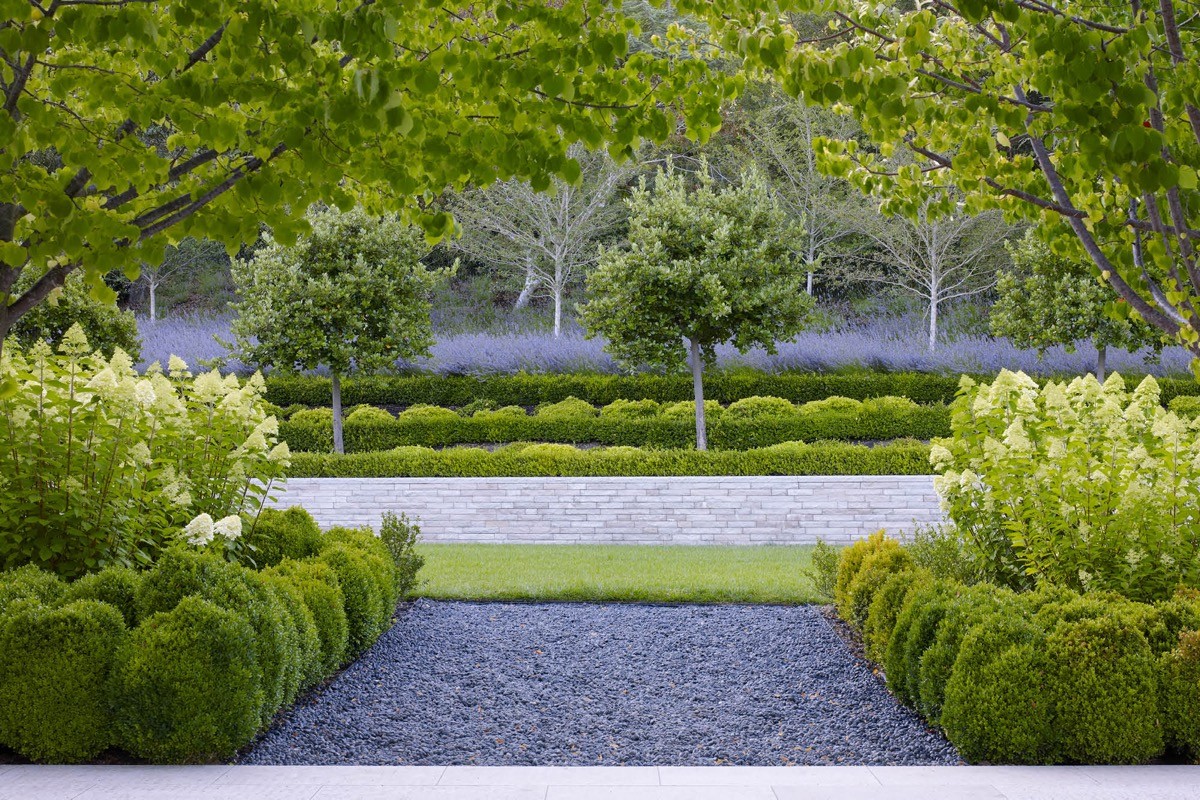
Designing stunning outdoor spaces necessitates a careful approach to planning that harmonizes practicality and beauty. One effective strategy is to include a variety of flora that provide aesthetic interest throughout the year. Selecting the most suitable plants for your yard styling not only improves beauty but also benefits indigenous environmental systems. Contemplate incorporating native plants, which thrive in your regional environment and need minimal upkeep, making available a sustainable choice for a charming landscape.
In addition to flora, inserting landscape architecture elements like patios, walkways, and aesthetic stone elements can greatly elevate your outdoor aesthetic. These elements outline spaces and create centers of interest, enhancing the total appeal of your outdoor space. Water elements like springs and basins can introduce a tranquil feature, while outdoor features such as gazebos and overhangs provide height interest and can function as practical elements like shade.
In conclusion, effective use of light can elevate your garden plan and convert your outdoor environment into a nighttime haven. Thoughtfully placed illuminations can showcase garden features and generate a inviting, comfortable ambiance. Utilizing garden lighting not just showcases your styling but also increases the usability of your open air spaces into the twilight, letting you to enjoy your stunning area at all moments.