

Emotional regulation is a essential skill that plays a significant role in our everyday lives. From managing difficult conversations to preserving calmness during intense situations, the ability to manage our emotions can make a significant difference in how we experience the world and engage with others. In a society that often values quick reactions and strong opinions, finding equilibrium within ourselves is important not only for individual wellness but also for career success and nurturing relationships.
Grasping the principles behind emotional regulation and the impact of emotional control on mental health can empower us to handle our emotions more skillfully. With practical strategies such as mindfulness practices, breathing techniques, and journaling, we can enhance our ability to navigate feelings and react thoughtfully rather than react instinctively. Whether you are looking to enhance your emotional intelligence at work, cope with stress, or build resilience, embracing the journey of emotional control can lead to a more balanced life.
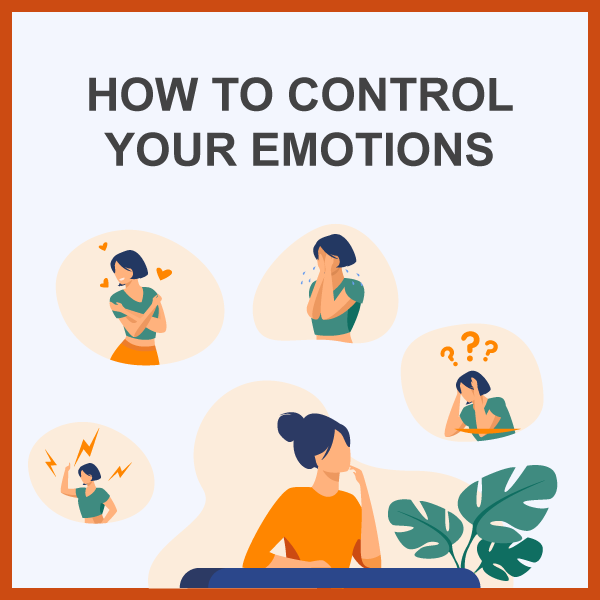
Strategies for Enhancing Emotional Regulation
Boosting emotional control requires a blend of self-awareness, practical techniques, and consistent practice. Start by noticing your emotional triggers, which are situations or circumstances that profoundly affect your emotional state. Journaling can be an effective tool for this. By documenting your feelings during specific situations, you can identify patterns and triggers that might result in overreactions. Once you grasp what provokes you to lose control, you can create strategies to manage your responses more effectively.
Mindfulness practices, such as mindful breathing and deep breathing techniques, are crucial for promoting emotional regulation. These practices help you to foster a deeper awareness of your emotions and stay present during difficult moments. Techniques such as the 5-4-3-2-1 grounding exercise or focused breathing can assist calm your mind and bring clarity, empowering you to respond deliberately rather than react impulsively. Consistently incorporating these mindfulness exercises into your daily routine bolsters your ability to maintain calm in intense situations.
Fostering resilience through supportive lifestyle choices also plays a key role in emotional control. Proper diet, regular exercise, and sufficient sleep are fundamental elements that influence your emotional stability. Additionally, cultivating healthy relationships and seeking support from friends or professionals can offer the necessary encouragement and perspective during tough times. When you prioritize your physical and mental well-being, you create a more solid foundation for handling your emotions successfully.
Comprehending this Study of Emotional Regulation
Emotional control is a crucial aspect of mental health, encompassing the methods through that individuals influence their feelings, the way they feel them, and the way they express them. This regulation can manifest in various ways, such as controlling impulsive reactions, calming oneself during stress, or managing responses to aggression and annoyance. Research emphasizes the brain's function in emotional regulation, particularly the interplay between the limbic system, which governs emotions, and the prefrontal cortex, responsible for higher-level cognitive functions. This active interaction explains why some individuals perceive it easier to manage their emotions than other people.
Understanding emotional stimuli is essential to controlling emotional regulation. https://mccoy-shelton-3.federatedjournals.com/harnessing-ones-emotional-responses-an-skill-of-feelings-based-management are stimuli that provoke emotional reactions, whether they arise from external events or internal cognitions. Studies show that by recognizing these cues, individuals can develop preventive strategies to cope with their emotions efficiently. For example, keeping a journal enables for tracking emotional reactions to particular situations, providing important insights into patterns and possible coping mechanisms. This awareness of oneself lays the foundation for better emotional regulation by enabling individuals to prepare for and manage their reactions.
In addition, the study of emotional regulation underscores the concept that feelings are not intrinsically negative. Rather, they serve significant functions, acting as indicators about what we need or value. The process of learning to regulate emotions means recognizing these feelings without criticism and deciding how to react constructively. Techniques such as mindfulness and thought-based reappraisal have been shown effective in assisting individuals change their viewpoints on their emotions, resulting in improved coping strategies. In conclusion, the field of study behind emotional regulation reveals its important connection to psychological health and personal achievement.
Practical Techniques for Staying Calm
One technique for achieving calmness is the art of deep breathing. This entails taking gentle breaths, inhaling through the nose and exhaling through the mouth. This simple act can initiate the body's soothing response, helping to reduce stress levels and promote a sense of peace. Attempt incorporating this technique when you notice stress building, for example before a presentation or during a challenging conversation. By concentrating on your breath, you can create a brief break that allows for improved emotional regulation.
A further practical method is the use of mindfulness meditation. Regularly taking time for mindfulness can help you enhance greater awareness of your emotions and how they affect your thoughts and behaviors. This practice encourages you to notice your feelings without judgment, allowing you to respond to situations more thoughtfully rather than responding impulsively. Over time, mindfulness can boost your ability to stay calm under pressure by developing a habit of emotional reflection.
In conclusion, creating a routine that features physical activity can significantly contribute to emotional stability. It could be a daily walk, yoga, or various exercise, physical activity releases endorphins, which are natural mood lifters. Moreover, engaging in regular exercise not only helps control stress but also equips you with a healthy outlet for any frustrations. Creating a balanced routine that includes exercise can be a critical aspect in maintaining resilience and upholding emotional control in different aspects of life.